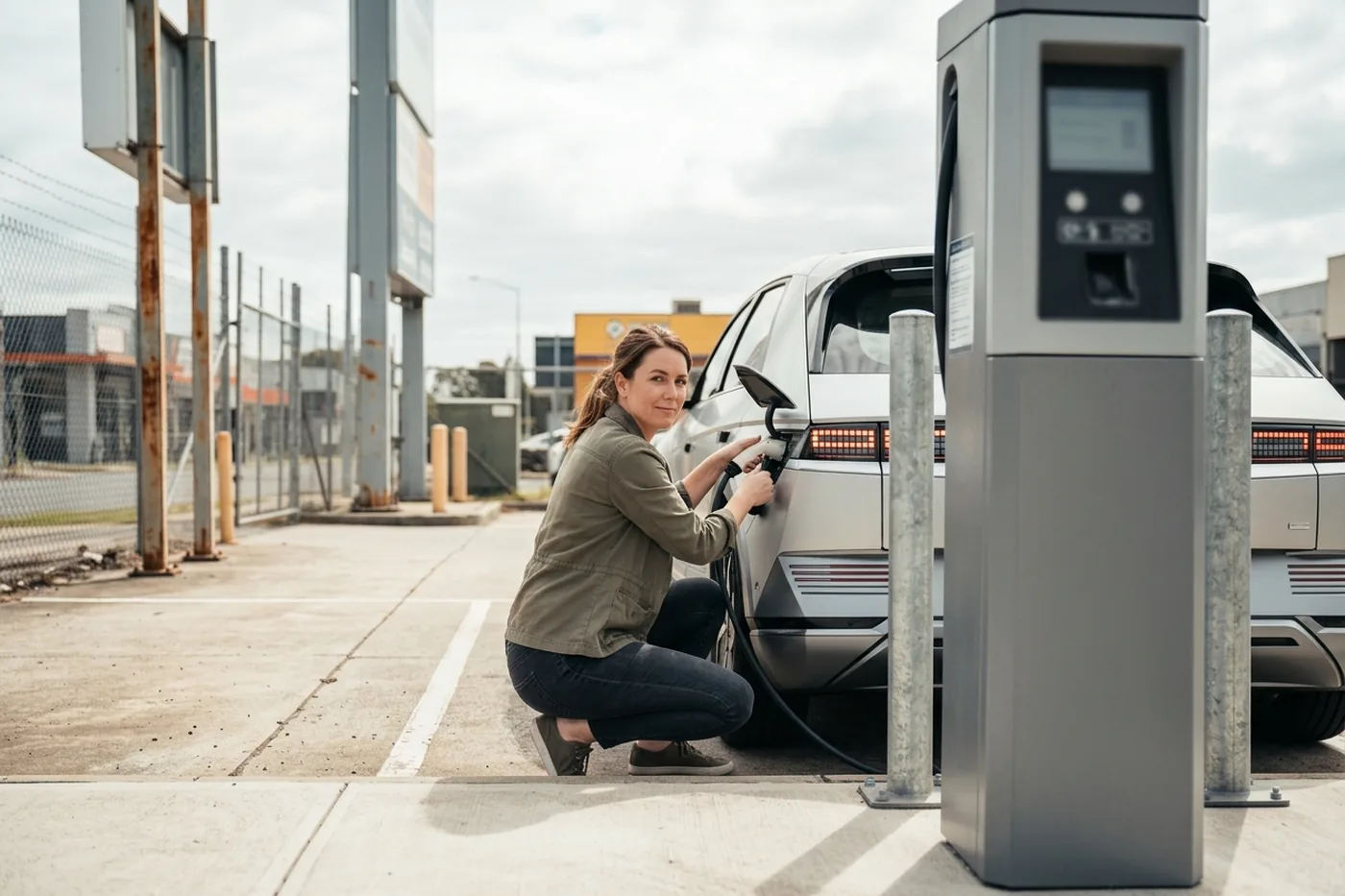
The case for an electric vehicle on running costs is genuine but narrower than the headline suggests, and it depends heavily on where you charge.
Where the savings are real
Energy cost per mile. Charging at home on a residential rate is substantially cheaper per mile than gasoline for most drivers. The gap widens where off-peak rates are available and narrows in high-electricity-cost regions.
Maintenance. No oil changes, no spark plugs, no timing belts, no exhaust system, no transmission fluid in most designs. Brake pads last dramatically longer because regenerative braking does most of the slowing. The routine maintenance bill is genuinely smaller.
Where it is more complicated
Public charging changes the arithmetic. DC fast charging costs considerably more per unit than home charging, and in some networks approaches or exceeds the per-mile cost of gasoline. A driver who can charge at home overnight gets the full benefit. A driver relying on public charging gets much less of it, and this is the single largest variable in the comparison.
Insurance. Premiums for electric vehicles frequently run above comparable gasoline models, driven by higher repair costs and battery replacement exposure.
Depreciation. This has been volatile. Rapid improvement in range and charging speed, along with price changes on new models, has affected used values in ways that are hard to predict. It remains the least stable component of the comparison.
Tires. Electric vehicles are heavier and deliver torque instantly, and they often wear tires faster. Replacement tires for them are frequently a specialized, more expensive type.
Home charger installation. A Level 2 charger and the electrical work to support it is a real upfront cost, ranging from modest to substantial depending on your panel and the run to the parking space.
What still needs servicing
Tires, brake fluid, cabin air filter, coolant for the battery thermal management system, suspension components, wiper blades and the 12-volt battery. Less than a combustion vehicle, but not nothing, and the brake fluid interval remains time based.
Batteries degrade gradually rather than failing suddenly, losing a modest percentage of capacity over years. Every manufacturer selling in the United States warrants the traction battery separately from the rest of the vehicle, and eight years or 100,000 miles is the common floor. That figure is a manufacturer commitment rather than a single federal minimum: federal emissions warranty rules cover high-voltage components on their own terms and mileage, and California and the states following its rules impose longer battery coverage than the rest of the country. Read the warranty for the specific vehicle rather than relying on the eight-year number, and check the capacity threshold below which a replacement is owed. Check the specific warranty terms, including the capacity threshold below which a replacement is triggered, since that threshold varies.
How to compare for your own situation
Work out your annual mileage. Establish your home electricity rate per kilowatt hour, including off-peak if available. Estimate the share of charging you would do at home versus publicly, honestly. Then compare total annual cost including insurance quotes for both vehicles, not just energy.
The comparison usually favors the electric vehicle strongly for a high-mileage driver with home charging, and much less clearly for a low-mileage driver dependent on public charging.
fueleconomy.gov publishes tested efficiency, range and estimated annual energy costs for electric vehicles, and the Department of Energy maintains a public charging station locator.